
Logistics

Logistics Software Development

We design and build logistics and distribution software — fleet management, warehouse and inventory systems, supply chain coordination, real-time tracking, and last-mile delivery — for transport, 3PL, and distribution operations.

Software built for logistics

Logistics runs on visibility and coordination. Sigi Technologies builds software that connects vehicles, warehouses, suppliers, and delivery teams so operations stay fast, clear, and easy to manage as volumes grow.

We work with third-party logistics providers, transportation and delivery services, e-commerce fulfillment operations, manufacturers, and cold chain distributors — from local delivery fleets to multi-region distribution networks.

What we build for Logistics

Warehouse & Inventory Management

Real-time stock tracking to the rack and bin across locations, with scanning-driven workflows and multi-tenant operations.

  • Barcode and handheld-scanner picking, put-away and cycle counts

  • Inbound and outbound workflows with task assignment

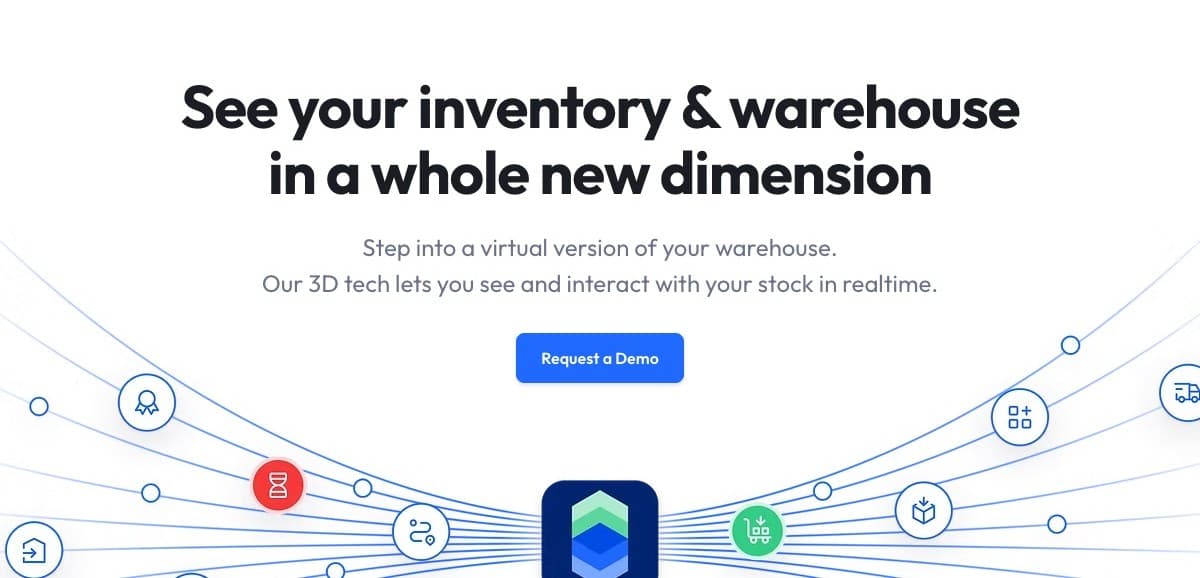
  • 2D/3D warehouse visualization and live floor updates

  • Multi-tenant isolation on shared infrastructure

Explore →

Courier & Last-Mile Delivery

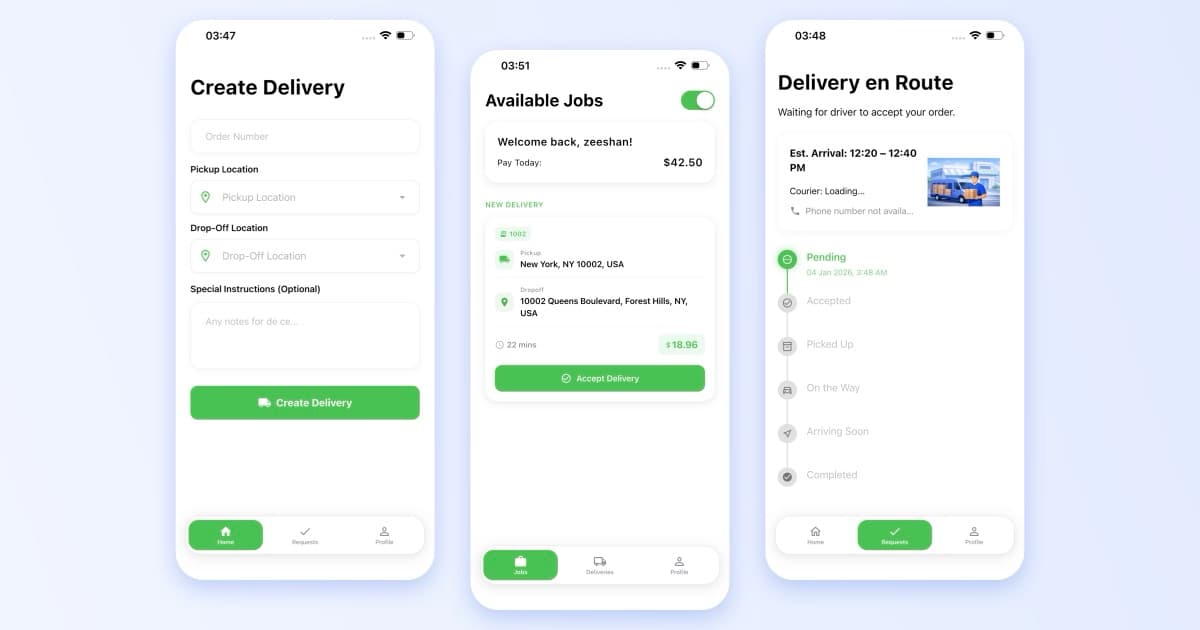
Customer, driver and dispatch apps on one backend, with server-side pricing and assignment.

  • Radius-based, server-side driver assignment

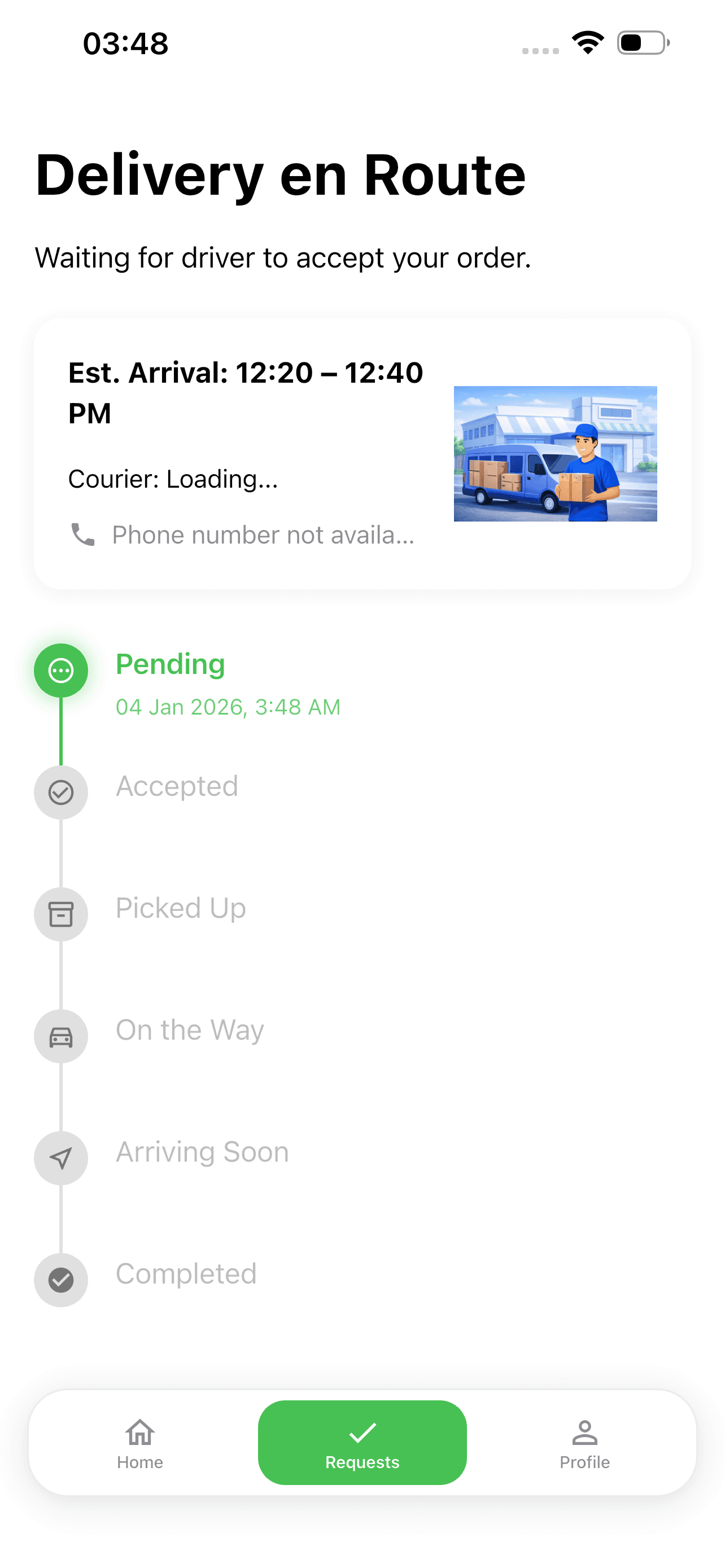
  • Live tracking and status shared across customer, driver and admin

  • Distance-and-weight pricing computed before checkout

  • Proof-of-delivery capture at each handover

Explore →

Freight Forwarding & Customs

Quote-to-delivery platforms for air and sea freight, with a server-side rating and customs engine.

  • Billable-weight, freight, duty and VAT calculation

  • Admin-editable tariff, HS-code and country tables

  • Waybill and invoice generation with document tracking

  • Multi-carrier hand-off and consolidation

Real-Time Tracking

Live shipment and field-staff tracking kept consistent across every surface via a real-time event layer.

  • WebSocket/Firebase live status and location

  • Carrier tracking (e.g. FedEx) mirrored into one timeline

  • ETA and geofencing-style status transitions

  • Customer-facing tracking portals

Multi-Channel Order Hub

One order model that consolidates e-commerce, B2B and wholesale channels into a single fulfilment flow.

  • Shopify, WooCommerce, Amazon and eBay order intake

  • One status timeline every role reads from

  • Accounting sync to Xero, QuickBooks and NetSuite

  • Subscription and payment handling via Stripe

Admin, Roles & Reporting

Operations dashboards with role-based access across web and mobile from one permission model.

  • Role-scoped views for coordinators, finance and admins

  • Operational dashboards for throughput and exceptions

  • Audit trails on price, fee and status changes

  • Tenant and partner provisioning

Logistics case studies

Client work from our logistics practice and adjacent sectors — what we built, how we approached it, and the outcome.

Logistics businesses we serve

Warehouses & 3PLs

Multi-tenant WMS with rack-and-bin inventory, scanning and 3D visualization — the ground we covered on 3DLogistiX.

Courier & last-mile operators

Customer, driver and dispatch apps with server-side assignment and live tracking, as built for Antrak and Bix.

Freight forwarders

Quote-to-delivery platforms with a customs and duty engine and document tracking, as built for Pacifrica Express.

Parcel forwarding & fulfilment

Multi-warehouse, multi-surface platforms with real-time status and carrier integration, as built for The Shipping Hack.

Retailers moving to delivery

Grocery and retail delivery platforms with customer, driver and store apps, as built for Kwik eMart.

Manufacturers & wholesalers

Order hubs that connect e-commerce, accounting and shipping systems into one fulfilment flow.

How we build logistics software

  1. Discovery & operations mapping

    We map how goods, orders and money actually move today — facilities, routes, carriers and the systems already in use — and turn that into a scoped roadmap.

  2. UX/UI design in Figma

    Every role — coordinator, driver, warehouse staff, admin — gets its screens designed and reviewed in Figma before engineering starts.

  3. Architecture & build

    We build the shared data model and services first, then the web and mobile surfaces on top, so every screen reads one source of truth.

  4. QA automation & CI/CD

    Critical flows are covered by Playwright end-to-end tests that gate every merge, with automated deployments to staging and production.

  5. Launch & support

    We handle iOS/Android store submission and cloud deployment, then stay on for iteration, monitoring and new features.

Systems and tools we integrate

We build against the carriers, accounting systems and channels a logistics operator already runs — as documented, API-first integrations rather than one-off code.

FedExGoogle MapsStripeQuickBooksXeroNetSuiteShopifyWooCommerce

Ways to work with us

Staff augmentation

Embed our engineers in your product team to add warehouse, mobile or backend capacity — the model behind our 3DLogistiX work.

Hire engineers

Dedicated team

A self-managing, cross-functional Sigi team — product, design, engineering and QA — that owns delivery end to end.

Assemble a team

End-to-end build

We scope, design, build and ship the whole platform, then support it — the model behind Antrak, Pacifrica and The Shipping Hack.

Start a build

Planning a logistics product?

Tell us how your logistics operation runs today and we’ll map the platform, stack and timeline to build it.

Logistics software: questions we get asked

Warehouse management (WMS), courier and last-mile delivery apps, freight-forwarding and customs platforms, real-time tracking, and multi-channel order hubs — spanning web, iOS and Android, and admin dashboards. The WMS how-to is /blog/how-to-build-a-warehouse-management-system.

Yes. We build API-first integrations to the systems an operator already runs — for example FedEx for rates and tracking, Stripe for payments, QuickBooks, Xero and NetSuite for accounting, and Shopify and WooCommerce for order channels.

Yes. We ship native iOS and Android apps for drivers and floor staff — barcode and handheld-scanner workflows, guided tasks, and live status — from a single Flutter or React Native codebase.

Every job runs on one backend order model that all surfaces read from, with a real-time layer (WebSockets or Firebase) pushing each status change out, so no two views disagree.

Both. We embed engineers in your team (staff augmentation, the 3DLogistiX model), provide a dedicated cross-functional team, or scope, build and ship the whole platform end to end (as with Antrak, Pacifrica and The Shipping Hack).

Yes. We design multi-tenant, multi-facility systems with per-tenant data isolation and role-based access on shared infrastructure, so new sites or customers onboard without a separate deployment.

Building for logistics? Let’s talk.

Tell us about your product and we’ll follow up with next steps — usually within one business day.