Allfor Care: a Harrow home care and accessible transport provider
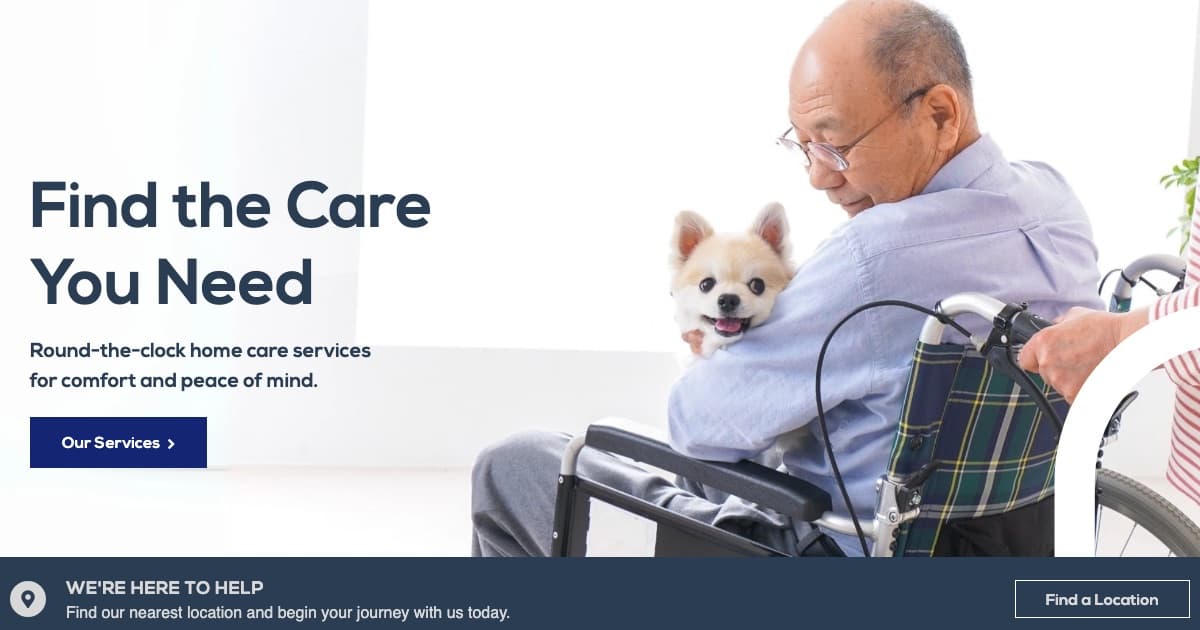
Allfor Care Services Ltd. is a 24-hour home care provider based in Harrow, Greater London. Its carers deliver domiciliary care in service users’ own homes — personal care, dementia care, mental health and learning disability support, live-in care, end-of-life care, and support for children and young people — and every carer is directly employed, trained and managed by the company. Alongside care sits a transport arm: wheelchair- and mobility-scooter-accessible vehicles with tail lifts or ramps, used for hospital appointments, community transport, day centers and school runs. Its drivers and passenger assistants are trained in safeguarding, first aid, MIDAS and PATS, and the company also offers a cleaning service.
Running those three services means one client can appear in a care plan, a transport booking and an invoice on a single day, while one care worker holds a shift pattern, a set of training certificates and a payroll record. Allfor Care wanted all of that in one place. Sigi delivered its care management platform as a custom software build for the healthcare sector: a web platform for coordinators, managers and finance staff rather than a public-facing app.
The problem: care records, rotas and invoices kept in separate places
A domiciliary care agency is a records business as much as a care business. Regulators, local authorities and families all expect the agency to know who visited whom, when, with what training, and what was charged for it. When client details, staff files, the rota and the finance ledger live in different tools, that question takes hours to answer and the answer is easy to get wrong. The objective in Allfor Care’s own words was to bring care management, staff records, scheduling and finance together in one place, and each of those pieces carried a cost while it stood alone:
- Client and service-user information was not linked to the shifts delivered against it, so a coordinator building a rota had to look up care needs, addresses and contacts separately.
- Caregiver and driver records — contact details, availability, training and vetting documents — were kept apart from scheduling, so it was hard to see at a glance whether the person being assigned was suitable and compliant.
- Invoices and staff pay were assembled after the fact from schedules that might have changed, which meant reconciliation work every period.
- Leadership had no single dashboard for shifts delivered, hours worked, outstanding invoices or expiring compliance documents.
Solution architecture: a React and Node.js home care management platform
The platform is a single web application with a React front end and a Node.js API, with Redis in the backend stack. Screens were designed in Figma before development began, so each role that would use the system — coordinator, manager, finance, care worker — had a defined view before code was written. The product is browser-based by design: the people who run a care office work from desks and laptops, and a responsive web app reaches them without an app-store release cycle.
Three decisions shaped the build. First, every entity is linked: a shift references a client and a staff member, a compliance record references the person it belongs to, and an invoice line references the shifts it bills. Second, role-based access scopes what each user sees, so a care worker sees only their own shifts and clients while a finance user sees invoicing but not care notes. Third, scheduling sits at the center of the data model rather than as a calendar bolted onto it — completed shifts are what invoicing, payroll views and dashboards are computed from.
That pattern — a linked operational data model behind role-specific screens — is one Sigi applies across its web application development work, with the interface designed by the UI/UX design team in Figma before engineering starts.
The stack we built it on
Allfor Care runs on a React front end talking to a Node.js API, with Redis in the backend for fast session and lookup work, delivered as a single responsive web application. That choice was deliberate: the people who run a care office work from desks and laptops, so a browser-based platform reaches every coordinator, manager and finance user without an app-store release cycle, while one linked data model keeps client records, staff files, the rota and invoicing consistent with each other. It is a lean, full-stack setup one team can own end to end — from the data model through the role-specific screens to the automated tests and releases that keep it dependable.
How the platform is built and run
For a care agency the platform is a system of record first, so it is engineered around one linked data model, strict access control, and compliance that is always to hand:
- One linked data model as the single source of truth: every shift references a client and a staff member, each compliance record references the person it belongs to, and every invoice line references the shifts it bills — so care, rota and finance always agree.
- Role-based access control: administrators, managers, coordinators, finance users and care staff each see only their own work, so a care worker sees their shifts and clients while finance sees invoicing but not care notes.
- Compliance-first records: training and vetting documents are stored as dated records against each person, readable from the schedule and summarized on the management dashboard so expiring documents surface before they lapse.
- Design-first delivery: role-specific screens were built and reviewed in Figma with Allfor Care before engineering began, so the system fit how a care office actually works before any code shipped.
- Automated quality: Playwright end-to-end tests exercise the main workflows and builds and releases run through GitHub CI/CD, so changes are tested before they reach the care office.
- A lean, single responsive web app — React front end, Node.js API, and Redis for fast session and lookup work — that one team owns end to end, reaching every coordinator, manager and finance user in the browser without an app-store release cycle.
One platform instead of BambooHR, BrightPay, Xero and QuickBooks
Before Sigi, Allfor Care ran its back office across a stack of separate products — BambooHR for HR and staff records, BrightPay for payroll, and Xero and QuickBooks for accounting — none of which knew about the care rota or each other. The platform folds those jobs into one system: HR, payroll and invoicing all read from the same clients, staff and completed-shift data, so a visit delivered on the rota flows through to the payslip and the invoice without being re-keyed into a separate tool.
- Built-in HR in place of BambooHR: staff profiles, roles, availability, and training and vetting documents, all linked to the rota and the compliance dashboard.
- Built-in payroll in place of BrightPay: hours are taken from completed shifts and submitted to HMRC under Real Time Information (RTI/PAYE), so pay follows the rota instead of a monthly re-export.
- Built-in accounting in place of Xero and QuickBooks: invoices are generated from delivered shifts and reconciled in the platform, with digital VAT records kept in line with HMRC’s Making Tax Digital rules.
NHS and statutory integrations: GP Connect, HMRC and DBS
The platform connects to the systems a UK care provider has to work with, so those checks happen inside the workflow rather than in a separate portal:
- GP Connect for authorized access to a service user’s GP record at the point of care, so coordinators and carers can see medications and key clinical details without phoning the surgery.
- HMRC for PAYE payroll under Real Time Information, submitting a Full Payment Submission on or before each pay day.
- DBS for staff background checks, with certificate status and renewal dates tracked against each worker so an expiring check surfaces before it lapses.
Built for UK care compliance: CQC, UK GDPR, DSPT and DBS
A domiciliary care platform is only useful if it stands up to inspection, so compliance is built into the data model rather than bolted on afterwards:
- CQC: complete, current and instantly retrievable care and staff records, with audit trails and management oversight designed around the record-keeping and good-governance expectations of Regulation 17 of the Health and Social Care Act 2008.
- UK GDPR and the Data Protection Act 2018: role-based access, least-privilege permissions, audit logging of who viewed or changed sensitive records, and defined data retention — personal and clinical data handled to ICO expectations.
- NHS Data Security and Protection Toolkit (DSPT): the platform is built to the data-security standards that GP Connect and other NHS integrations depend on.
- DBS and safeguarding: vetting status and training certificates are held against each worker and checked before assignment, so only compliant staff are rostered to a visit.
Designing records-and-compliance systems for regulated sectors like this is core to our healthcare industry practice and our custom software work.
What we implemented: clients, staff, scheduling, compliance and finance
Sigi designed, built and shipped every part of the platform. Here is what we implemented across client records, staff records, scheduling, compliance and finance.
Client and service-user records
- A profile per client holding contact details, address, next of kin or guardian contacts, and the care requirements a coordinator needs when assigning a visit.
- Care and transport needs captured on the record — mobility and vehicle requirements, assistance needed — so they travel with the client into every shift.
- A history of delivered shifts per client, the starting point for both care reviews and billing queries.
Caregiver and staff records
- Records for care workers, drivers and passenger assistants with role, contact details and availability.
- Compliance documents attached to each person with dates, so managers can see what is current and what needs renewal.
- A staff member’s own view of their upcoming shifts and assigned clients, scoped by role so they see nothing beyond their own work.
Scheduling and shift management
- Shifts created against a client and assigned to a staff member, covering the standing visits that make up most of a domiciliary rota.
- Coordinator views of the rota, so gaps and double-bookings are visible while it is being built rather than after.
- Shift status tracked through to completion, which is the signal invoicing and dashboards draw on downstream.
Roles, permissions and compliance
- Role-based access for administrators, managers, coordinators, finance users and care staff, each with a view limited to their own work.
- Compliance records stored per person with document type and dates, readable from the schedule and summarized on the management dashboard.
Finance, invoicing and dashboards
- Invoices generated from completed shifts per client, so the amount billed reflects the visits delivered.
- Views of hours delivered per staff member for the pay period, taken from the shift data.
- Dashboards for leadership covering shifts scheduled and completed, hours delivered, invoicing status and compliance gaps.
Delivery and engineering practice: Figma, Playwright and GitHub CI/CD
The engagement ran design-first. Role-specific screens were produced in Figma and reviewed with Allfor Care before the React build began, so sector-specific corrections — the fields a coordinator needs on a shift, the documents a manager checks — could be made before any code was written. Engineering then built the React front end and the Node.js API against the agreed designs.
Quality was automated rather than left to manual checks. Playwright end-to-end tests exercise the platform’s main workflows, and builds and releases go through GitHub CI/CD, so changes are tested before they reach the care office.
The team and expertise behind the build
Sigi hires specialists: every engineer is an expert in their own field, and Sigi hires only for that depth. It invests in its people, too — the team keeps sharpening their skills and earning certifications as they deliver, which keeps expert, motivated engineers on every build. Allfor Care’s platform was delivered end to end by one such cross-functional Sigi team — product strategists, UI/UX designers, full-stack engineers and QA — working as a single unit rather than passing the build between vendors. It is the model Sigi has run since 2015: engineers with deep, cross-industry expertise owning the whole stack, from the React front end and Node.js API to the Figma design work and the Playwright and CI pipeline behind it. A compliance-heavy records-and-scheduling platform where every shift, document and invoice has to line up is exactly the kind of custom software and web application engineering Sigi’s team is built for.
Custom-built versus off-the-shelf care software (Nourish, Birdie and similar)
Off-the-shelf home-care systems such as Nourish and Birdie are capable products, and for many agencies buying one is the right call. Allfor Care chose to build because its operation does not fit the shape of a general-market tool — and a bespoke platform changed both the fit and the economics in ways a subscription could not.
- Built around one agency, not the whole market. Care software has to serve every buyer, so you adapt your processes to it; Allfor Care’s platform was designed in Figma around exactly how this agency schedules, vets and bills — including its wheelchair-accessible transport and cleaning arms, which a care-only product does not model.
- One platform, not a care app plus four back-office tools. Products like Nourish and Birdie focus on care delivery and rostering, so an agency still runs separate HR, payroll and accounting alongside them. Allfor Care’s system folds HR, payroll (HMRC RTI) and accounting into the same place the rota and care records live — replacing BambooHR, BrightPay, Xero and QuickBooks rather than paying for them on top.
- An owned asset, not a subscription that grows with you. Off-the-shelf care platforms are billed on an ongoing basis that scales as you deliver more care (Birdie, for example, is priced on scheduled care hours from around £200 a month). Allfor Care owns its platform outright, so cost does not climb with every extra visit or client.
- Its own data and integrations. The agency holds its data and workflows, with GP Connect, HMRC and DBS wired to its own processes and no dependence on a vendor’s roadmap for what it can change next.
The trade-off is honest: an off-the-shelf tool is faster to switch on and needs no engineering team behind it, and we would say so to any agency it suits. But for a provider running care, transport and cleaning as one business — and wanting HR, payroll, accounting and compliance in a single owned system — a custom build wins on fit and on long-run cost.
What the client says
Allfor Care’s Managing Director, Suzette Thomas, rated the work 5 out of 5 and recommended the agency, describing the objective this way:
“We wanted a system that could bring all our care management, staff records, scheduling, and finance together in one place. Sigi Technologies helped us build a platform that fits our digital strategy and makes daily operations much easier to manage.”
Asked what she enjoyed most, Thomas wrote that the team “took the time to understand how the care sector works and built the system around our real needs”, that communication was clear throughout, and that support requests were answered quickly. Her one improvement point was that “a bit quicker turnaround on a few design tweaks would’ve been helpful” — recorded here as written.
Allfor Care continues to run its home care, transport and cleaning services from allforcare.co.uk; the care-operations platform Sigi built is the system behind that office.
Related work: other operations platforms Sigi has built
The CQC, UK GDPR, NHS DSPT, GP Connect, HMRC and DBS requirements implemented here are summarised in CQC & UK GDPR requirements for care software.
Allfor Care’s platform belongs to a family of records-and-scheduling systems Sigi has shipped for organizations that run on rosters and compliance. The Alpha Academy learning platform manages students, tutors and timetables with a comparable role-based model, and Just Dry Cleans schedules pickups and drivers for an on-demand laundry service. In the same healthcare space, the Muzziball companion app was a UX design engagement for a sensory device used in care homes and clinics. Our healthcare industry page covers the compliance and records patterns common to this kind of work.
If you run a care agency, transport service or any rota-driven operation and want scheduling, staff records, compliance and invoicing in one system, contact Sigi and we will walk you through how Allfor Care’s platform was put together.