
Your repo, tracker and chat
We pick up tickets in whatever you run — Jira, Linear or Azure DevOps — and talk where you talk, in Slack or Teams, alongside product and UI/UX.
Sigi Technologies
Hire frontend developers to increase UI delivery speed without sacrificing maintainability.
Recognized & reviewed on
Screens, flows, and components ship inside your repo and sprint cadence.
Reusable patterns, tokens, and state handling so modules do not drift.
Tables, filters, and admin tools that stay usable as volume grows.
One of the roles under Hire Developers. Our frontend developers embed into your workflow, ship inside your repo, and follow your standards—so output increases without long hiring cycles.
Frontend delivery: easy to demo, hard to maintain — we are hired for the second half. We focus on scalable UI and predictable execution where clarity, performance, and consistency directly impact adoption.
Engineering leaders usually add frontend developers when UI delivery is the bottleneck, patterns are inconsistent, or a release needs extra execution capacity quickly.
180+
Skilled software engineers delivering excellence
10+
Years of dedicated industry experience
200+
Successful software development projects
80+
Global clients
The frontend engineers we place are meant to read like your own hires — owning the UI layer, not just closing tickets.
Approvals, roles, multi-step flows, and admin tools shipped as product UI features.
Tables, filters, bulk actions, exports, and drilldowns with predictable state and error handling.
Component systems that reduce rework and standardize UI patterns across modules.
Tokens and theming rules that prevent UI drift, with documentation so delivery scales.
Rendering optimization, virtualization, code splitting, and resilient loading, empty, and error states.
PR-based delivery, tests on critical workflows, and coordination with QA for release readiness.
Engineering leaders usually add frontend developers when UI delivery, consistency, or performance starts blocking the roadmap.
The backlog keeps growing because frontend capacity cannot keep up with product demand.
Standardization and a design-system aligned UI reduce rework and UI drift.
Debt in the UI layer slows every feature and release until ownership is stronger.
Slow screens, heavy tables, and lag are common reasons to add frontend capacity.
Reusable components and tokens reduce rework when multiple contributors ship UI.
Additional execution capacity is needed quickly without a long hiring cycle.
Frontend we have shipped
Sigi frontend engineers ship inside client codebases. Published work includes multi-sided apps and product UI across our case studies. We do not invent conversion percentages for this page.
Two-sided booking product designed and built as customer and seller apps.
Read the case study →Multi-sided grocery platform across customer, store, and operations surfaces.
Read the case study →Product UX and companion-app delivery for a sensory hardware product.
Read the case study →If UI delivery is slow, inconsistent, or blocked by complexity, we’ll embed frontend developers into your team and begin shipping inside your cadence.
Hire Developers includes frontend talent across modern UI frameworks because many teams search by the stack already in the codebase.
React for scalable component-driven product UI. Next.js for production web apps, routing, and performance-focused builds.
Vue and Nuxt for consistent UI patterns. Svelte and SvelteKit for lightweight interfaces and modern app builds.
Structured enterprise UI and long-lived internal platforms where Angular is the chosen stack.
How we work
Embedded engineers only pay off when engineers operate inside your delivery system.
We pick up tickets in whatever you run — Jira, Linear or Azure DevOps — and talk where you talk, in Slack or Teams, alongside product and UI/UX.
Follow your branching strategy, PR reviews, and UI conventions so output matches the team’s bar.
Deliver in a sprint-based or weekly cadence with tests, acceptance criteria, and QA expectations kept visible.
Frontend delivery should increase speed without creating UI drift or extra regressions.
More UI ships without UI drift across modules.
Reusable components and consistent patterns cut redesign cycles.
Virtualization, rendering improvements, and caching patterns are common work.
Better standards, targeted testing, and cleaner handoff reduce dependency risk.
Most engagements begin with a single frontend developer inside one sprint; teams add a second seat once the first release lands cleanly. Picking up a live codebase mid-project to ship features and reduce UI debt is one of our most common starts.
Brands and organizations that trust our delivery
Related client work in this discipline.
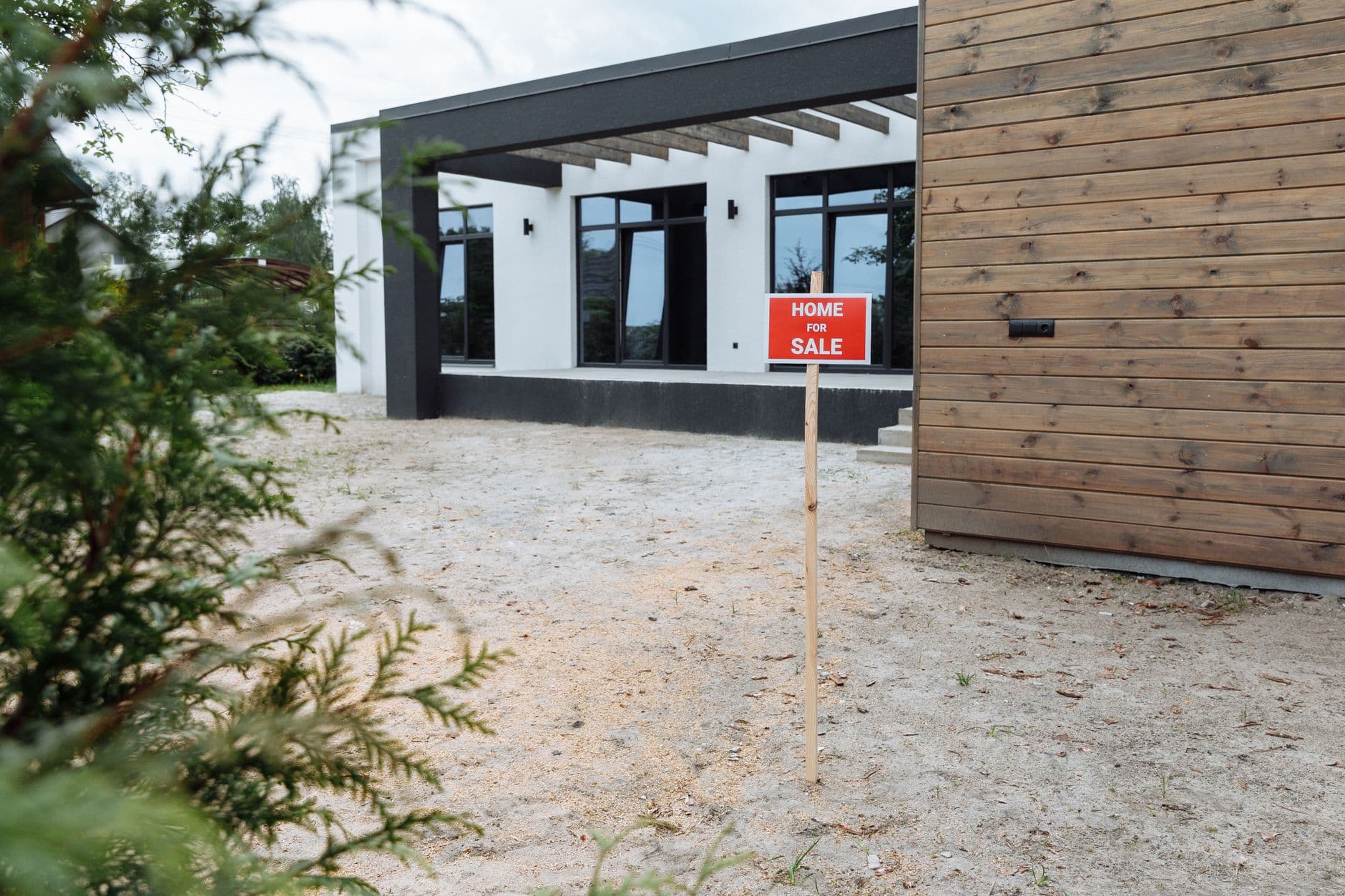
Projects > Real Estate
A WordPress real estate website with a single-click inquiry pop-up for a Lahore agency, paired with Google Ads, social, and SEO campaigns Sigi kept managing after launch.
SHS Estate & Builders

Projects > Automotive
How Sigi built VinCash’s plate-or-VIN quote funnel, cash-offer step, and lead handling so Canadian drivers can sell a car online and be paid after one inspection.
VinCash
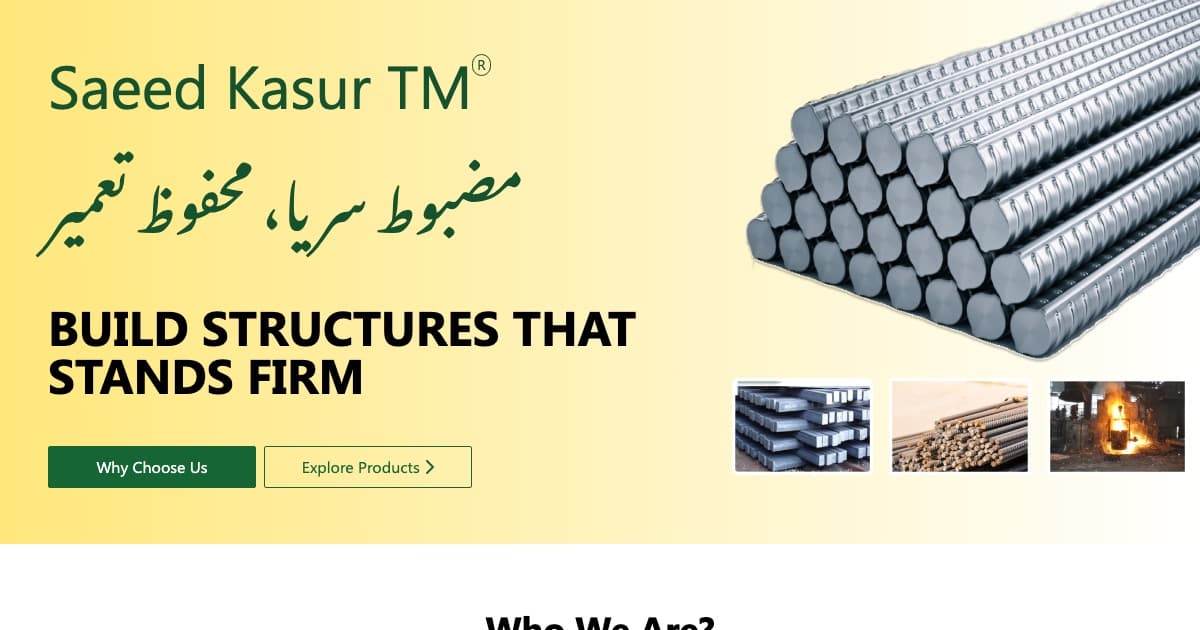
Projects > Manufacturing
Two websites for the Madina Steel group — a manufacturer site with product specs, ISO approvals, and notable projects, and a WhatsApp-first building supplies catalog for its Lahore depot.
Madina Steel group (Madina Steel Industry and MSI Sales Depot)
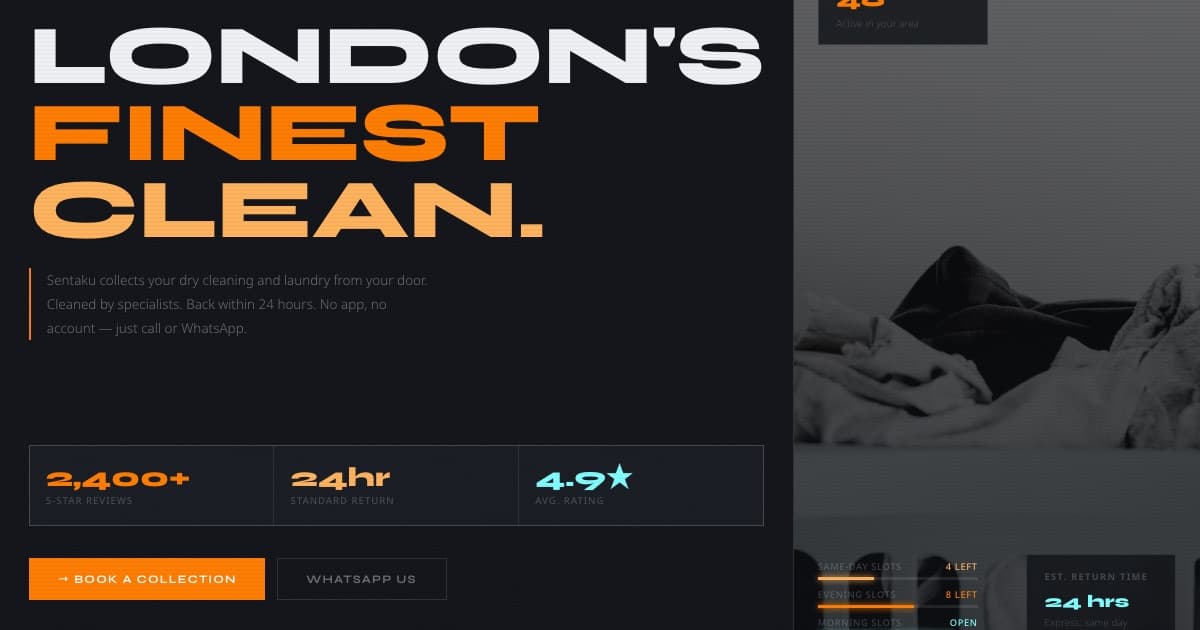
Projects > Web Design
One Figma template, three booking-first landing pages for Maurice Colp, Blue Bell, and Hampstead Garment Care — doorstep collection, 24-hour turnaround, no app needed.
Maurice Colp Dry Cleaner, Blue Bell Dry Cleaner, Hampstead Garment Care
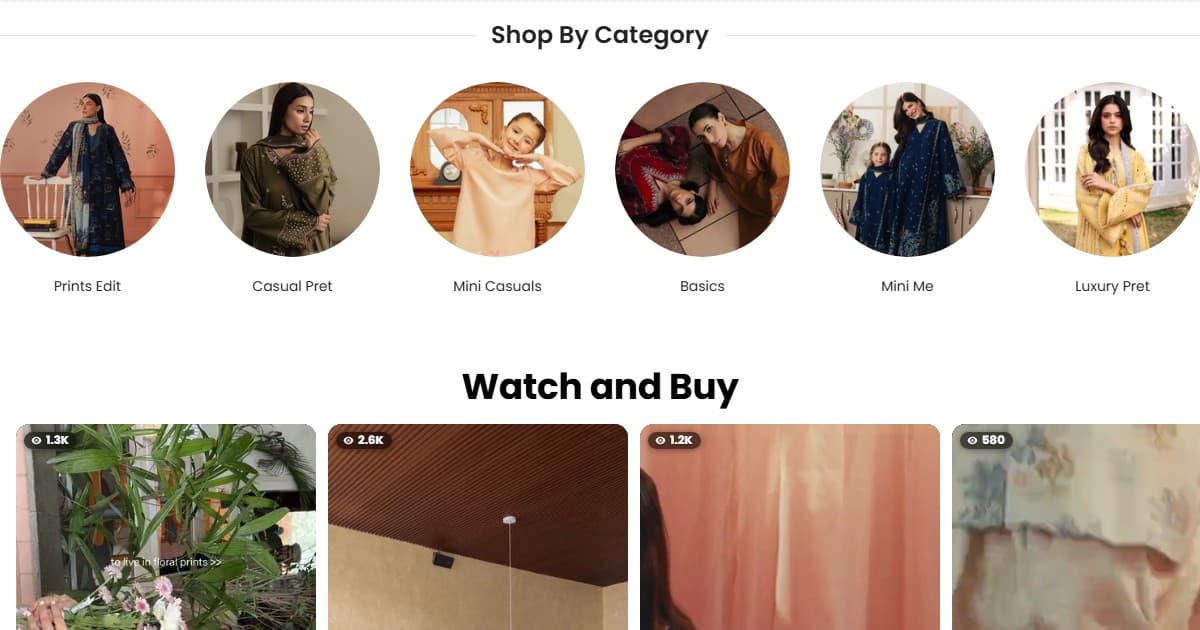
Projects > E-Commerce
A customized Kalles theme in Liquid, Figma-led UI, PKR pricing with COD and international checkout, and image performance tuned for ZIVA’s lawn and pret drops.
ZIVA

Projects > Education
A Laravel 10 learning management system for a Bulawayo language school, with Zoom API live classes, Paynow payments, quizzes and certificates replacing WhatsApp groups and offline records—administrative effort down 60%, per the client.
Alpha Academy (Alpha Language Centre)
How we staff frontend roles
Pick the shape that matches the work: a standing seat, a stack specialist for a defined piece, or a small pod when features cross layers.
Best for ongoing UI delivery and continuous improvement.
Hire by framework needs such as React, Next.js, Vue, or Angular.
Faster iteration with fewer regressions: frontend plus QA, UI/UX, or backend support for integration-heavy features.
Yes. Picking up a live codebase mid-project to ship features and reduce UI debt is one of our most common starts.
Yes. Component reuse and UI consistency are core deliverables for scalable product UI.
Yes. Data-heavy UI optimization (virtualization, rendering improvements, caching patterns) is common work.
Yes. Most engagements begin with a single developer inside one sprint; teams add a second seat once the first release lands cleanly.
Start with our published case studies, then we align on your stack, design system, and the first sprint goals.
Every candidate is screened by a senior engineer on real code, PR hygiene and delivery judgment — not CVs alone. We send a vetted shortlist within 3 days, you interview the people you want, and you can start on a two-week trial inside your repo and sprint before committing.